BestOutcome PPM Software Company Overview
Admin · Jul 13, 2026

Running twenty projects at once with nothing but spreadsheets is a recipe for missed deadlines and confused stakeholders. That's the exact problem a project portfolio management, or PPM, platform is built to solve. BestOutcome is one of the more established names in that space, and if you're comparing options for your organization, it's worth understanding what the company actually offers before you book a demo.
This overview walks through BestOutcome's background, its flagship PM3 platform, who tends to use it, and how it stacks up against the alternatives, so you can decide if it deserves a spot on your shortlist.
Who Is BestOutcome
BestOutcome is a UK-based software company founded in 2000 and headquartered in Gerrards Cross, Buckinghamshire. The company has spent more than two decades focused on a single problem area: helping organizations plan, track, and report on projects, programmes, and portfolios without drowning in spreadsheets and status update emails.
In 2023, BestOutcome was acquired by Eleco plc, a listed software group that serves the construction and built-environment sector. The acquisition didn't fold BestOutcome into a generic product line. Instead, the existing management team and roughly two dozen staff stayed in place, and the company kept developing its core platform under its own name.
What sets BestOutcome apart from many software vendors is that it doesn't just sell a license and walk away. The company positions itself as a change management consultancy as well as a software provider, meaning it also offers training, mentoring, and adoption support alongside the tool itself.
What Is PM3
PM3 is BestOutcome's flagship product, and it's the core of what people mean when they search for BestOutcome PPM software. Think of PM3 as a control tower for project work. Instead of each project manager keeping their own spreadsheet, everyone feeds updates into one shared system, and leadership gets a single, current view of what's actually happening across the portfolio.
PM3 is built to handle several layers of work at once: individual projects, larger programmes made up of multiple projects, and the full portfolio view that shows how everything lines up against strategic goals. It also tracks risks, resources, budgets, and benefits realization, which is the process of confirming a project actually delivered the value it promised.
Core PM3 Features
Feature Area | What It Does |
Portfolio dashboards | Real-time red, amber, green status views across every active project |
Risk and issue tracking | Centralized logging so problems surface early instead of at month-end |
Resource management | Visibility into who is working on what, and where capacity is stretched |
Benefits tracking | Connects each project back to the measurable value it was meant to deliver |
Reporting | More than 150 built-in reports plus drag-and-drop custom report building |
Integrations | Connects with Power BI and other business intelligence tools for deeper analysis |
PM3time
Alongside PM3, BestOutcome offers PM3time, a cloud-based system for tracking time, cost, and expenses. It gives organizations a real-time view of how employees and contractors are spending their hours, and it connects with the Xero accounting package for organizations that want time data flowing straight into their books. All data is stored in the UK and is built to be GDPR compliant, which matters for public sector buyers in particular.
Who Actually Uses BestOutcome
BestOutcome's client list leans heavily toward organizations that manage many projects at once and answer to public accountability standards. Publicly documented clients and case studies include NHS trusts, the Medicines and Healthcare products Regulatory Agency, Nottinghamshire Police, Cambridge City Council, Shared Services Connected Ltd, and Whitbread, which has used PM3 for roughly a decade.
That pattern points to a sweet spot: mid-size to large organizations, often in healthcare, local government, or regulated industries, that need to justify project spending to a board, a council, or a government body. Smaller teams running two or three projects at a time will likely find PM3 more structure than they need.
Pros and Cons
Pros | Cons |
Purpose-built for PPM rather than a repurposed generic tool | Pricing isn't published, so budgeting requires a sales conversation |
Strong track record with public sector and NHS clients | Depth of features means a learning curve for smaller teams |
Includes training and change management support, not just software | Best suited to organizations already running several concurrent projects |
More than 150 out-of-the-box reports | Newer to some private-sector industries outside its traditional base |
How BestOutcome Compares to Other PPM Options
Most organizations shopping for PPM software end up comparing BestOutcome against broader platforms like Microsoft Project for the web, Planview, or Smartsheet's portfolio features. The difference usually comes down to focus. General-purpose project tools are flexible but often need heavy configuration to handle true portfolio-level reporting. BestOutcome's PM3 is narrower in scope but arrives already built for the specific job of tracking programmes, benefits, and governance across an entire organization.
If your team's biggest headache is coordinating scattered spreadsheets across dozens of active projects and proving to leadership that money is being well spent, that narrower focus is usually an advantage rather than a limitation.
Questions Worth Asking Before You Buy
How many active projects and programmes do we realistically need to track at once?
Do we need built-in benefits tracking, or just basic status reporting?
Will our teams need hands-on training to adopt a new system, and does the vendor provide it?
Do we need UK-based data hosting for compliance reasons?
What does implementation actually cost once training and configuration are included?
If you're managing a heavy load of project documentation, reports, and PDFs during a PPM rollout, tools such as ToolSimpli's PDF tools can help convert and clean up files before they go into a shared reporting system, and the developer tools section is useful if your team is connecting PM3 to other internal systems via an API.
Getting the Most Out of a PPM Evaluation
Before committing to any PPM platform, run a short pilot with one real programme rather than a demo environment. Ask BestOutcome, or any vendor you're comparing, to show a working dashboard using data that resembles your own reporting structure, not a polished sample dataset. That's the fastest way to tell whether a tool actually fits how your organization works, rather than how a sales demo makes it look.
Implementation and Onboarding
One detail that often gets overlooked when comparing PPM vendors is how much work goes into actually rolling the software out. BestOutcome positions its implementation process around configuring PM3 to match an organization's existing processes, rather than forcing teams to rework how they operate around the software. That typically means the vendor spends time up front mapping current reporting formats, governance structures, and approval chains before configuring dashboards and templates.
Because BestOutcome also functions as a change management consultancy, onboarding usually includes structured training and mentoring sessions rather than a single generic webinar. For organizations that have struggled with low adoption rates after past software rollouts, that hands-on approach can matter as much as the feature list itself. A powerful dashboard is only useful if project managers actually log into it and keep their updates current.
Security, Hosting, and Compliance
For public sector buyers in particular, data residency and security certifications are often deal breakers. BestOutcome has highlighted accreditations including Cyber Essentials Plus and ISO 27001, along with recognition as a Great Place to Work, in its own materials following the Eleco acquisition. PM3time, the company's time and expense tracking product, stores data in the UK and is built with GDPR compliance in mind, which is a common requirement for NHS trusts, councils, and other government bodies evaluating vendors.
If your organization operates under strict data protection rules, it's worth asking any PPM vendor, BestOutcome included, exactly where data is hosted, what certifications are current, and how frequently they're renewed. Certifications can lapse, so a claim made in a case study from a few years ago is worth double-checking against the vendor's current documentation.
Long-Term Cost Considerations
BestOutcome does not publish pricing publicly, which is fairly typical for enterprise PPM software but still worth planning around. Costs usually scale with the number of licensed users, the number of active projects and programmes being tracked, and whether you add PM3time on top of the core PM3 platform. Training and configuration support may be bundled into an initial package or billed separately, so it pays to ask for a full breakdown rather than just a per-seat license number.
It also helps to think about total cost over several years rather than just the first year. A PPM platform is meant to be a long-term system of record for how your organization runs projects, so switching costs down the line, including data migration and retraining staff, can be significant. That's part of why running a real pilot before committing matters so much: it's much cheaper to catch a poor fit during evaluation than after two years of data has piled up inside the system.
BestOutcome has built a long track record in the PPM space, particularly among public sector and healthcare organizations that need rigorous governance and reporting. For organizations already juggling multiple projects and struggling to get a clear, current picture of progress, PM3 is a serious option worth including in any shortlist. For smaller teams running one or two projects, though, a lighter tool is probably the better starting point.
Related posts
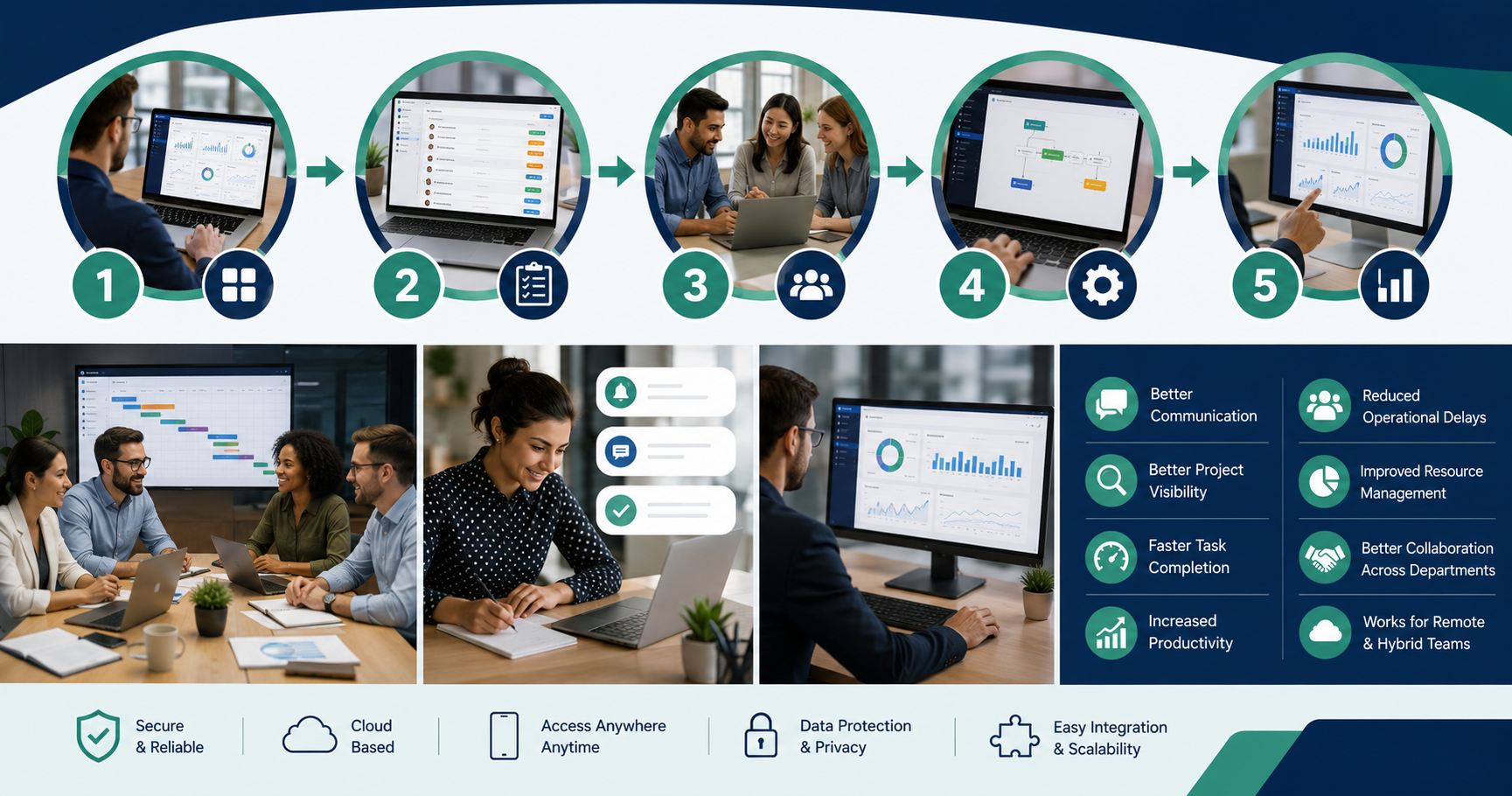
Improve Software MeetShaxs: Complete 2026 Guide to Better Productivity and Team Collaboration
Improve Software MeetShaxs offers businesses a practical approach to managing projects, improving communication, and increasing productivity.
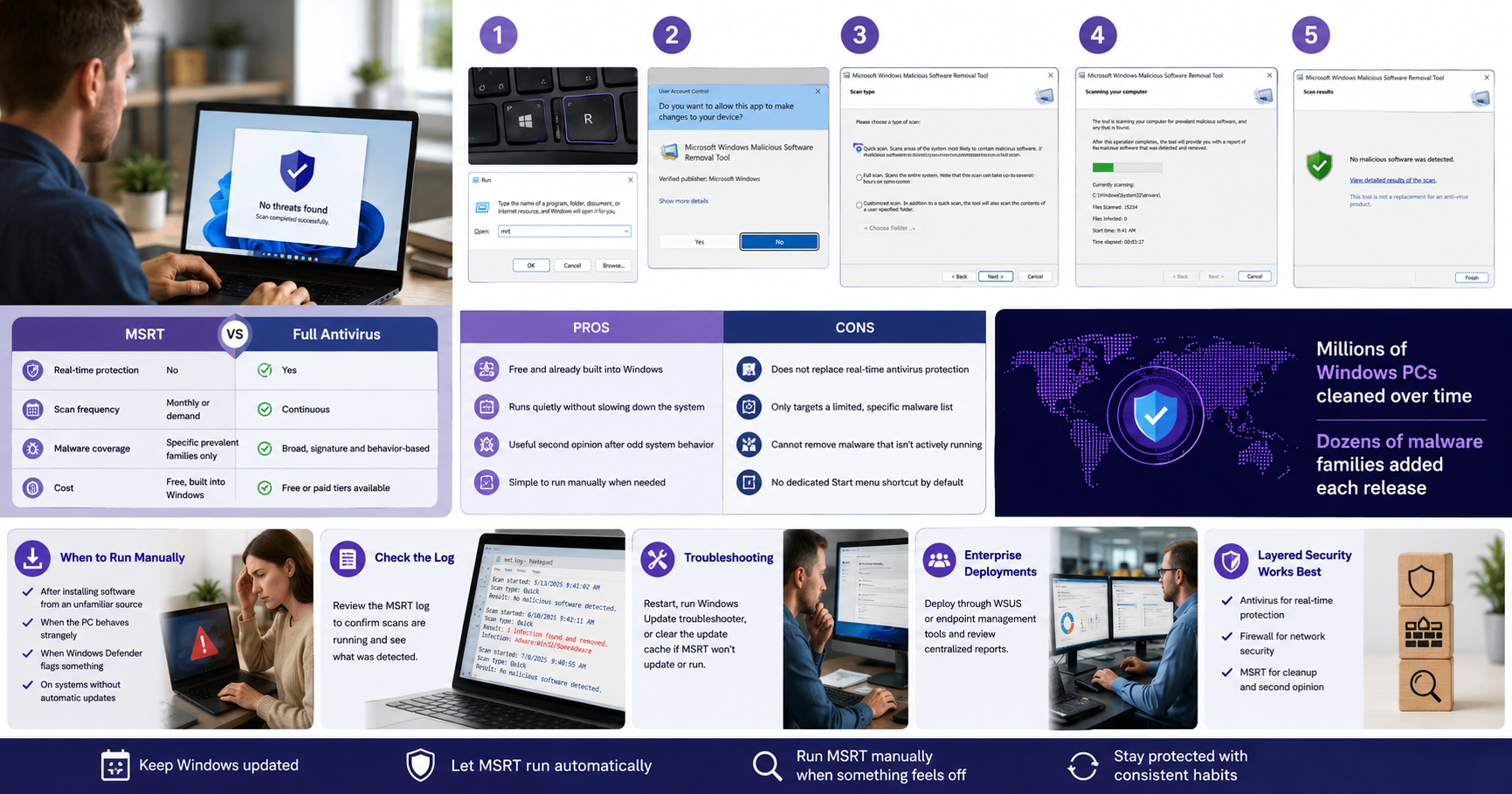
Microsoft Malicious Software Removal Tool (MSRT): The 2026 Guide
MSRT is one of those background tools that quietly does its job without asking for attention. If you manage documentation or reports around your system's security checks, the Developer Tools and PDF Tools sections can help you log and format that information cleanly. For more security-related guides, check Read Latest Blogs, browse Image Tools if you need to capture and edit screenshots of scan results, or visit the FAQs page for quick answers.

Recovery Home Management Software: What It Is and Why Your Facility Needs It
At its core, this type of software centralizes everything related to running a recovery home. Instead of keeping resident files in one place, payment records in another, and compliance documents in a folder on someone’s desktop, everything lives in one system your whole team can access.

Common Account Audit Software Used in Kenya: A Practical Overview
Before naming specific tools, it helps to understand the different categories, since most firms end up using more than one type together.