ATEN CC2000 Lite Plus Pack Centralized Management Software Explained
Admin · Jul 31, 2026
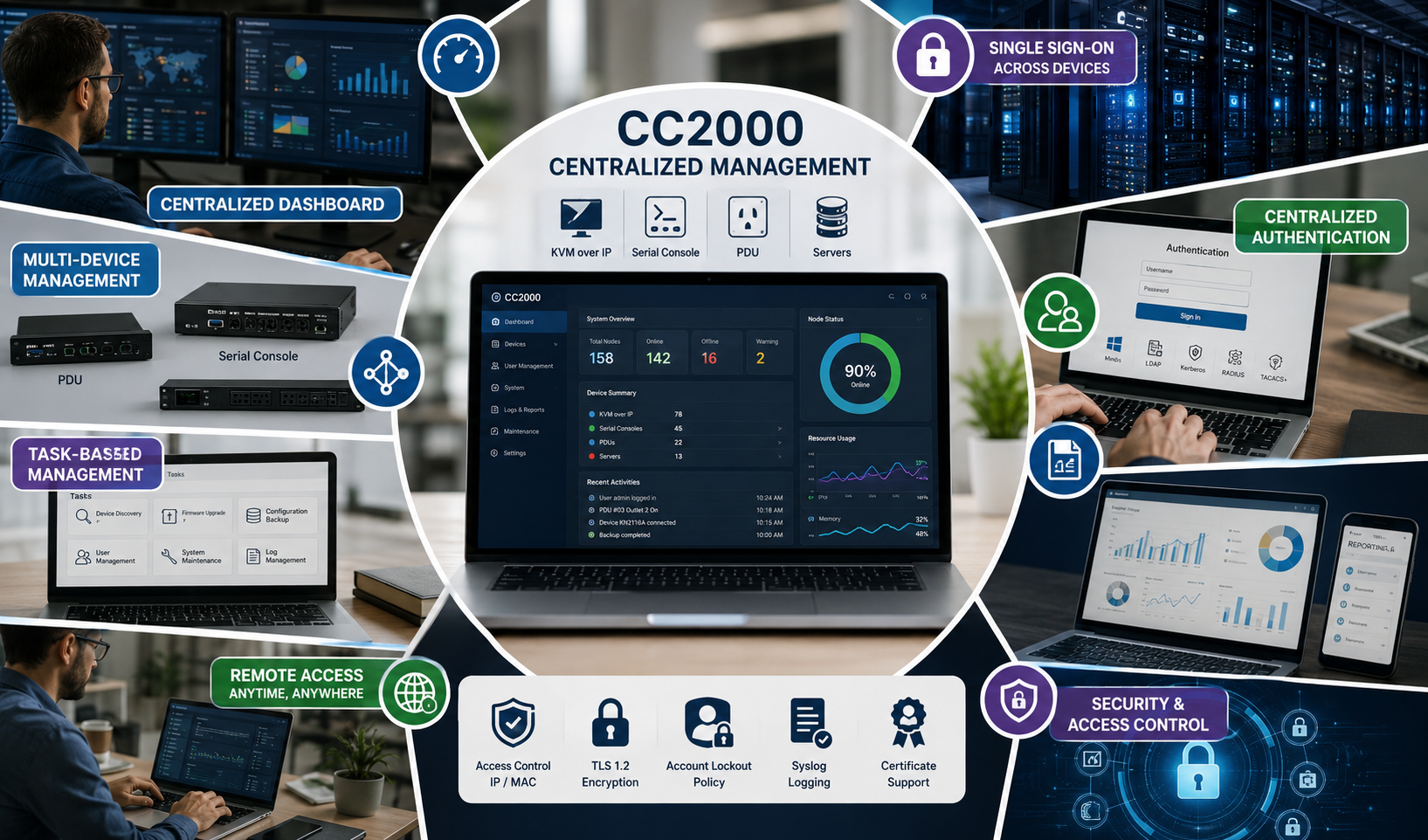
Managing a growing IT environment usually means juggling KVM over IP switches, serial console servers, power distribution units, and a mix of physical and virtual servers, often across multiple locations. Without a single point of control, IT teams end up logging into separate interfaces for each device type, which slows down troubleshooting and makes consistent security policy nearly impossible to maintain.
ATEN's CC2000 centralized management software was built to solve exactly that problem, and the Lite Plus Pack (model CC2000-LS) is one of the entry-tier licensing options in that product line, sized for organizations that need centralized control without the scale of a large enterprise deployment.
This guide breaks down what the CC2000 Lite Plus Pack actually does, how it fits into ATEN's broader CC2000 lineup, and what to consider before deploying it. If your IT documentation workflow also involves converting device manuals, exporting configuration reports, or organizing setup files, tools like Developer Tools and PDF Tools from Toolsimpli can help handle that side of the process.
What Is ATEN CC2000 Centralized Management Software?
CC2000 is ATEN's centralized management platform for IT infrastructure. It consolidates control of ATEN's KVM over IP switches, serial console servers, and intelligent PDUs, along with third-party devices like embedded service processors and both physical and virtual servers, into a single web-based portal. Instead of connecting to each device's individual interface, administrators log into one HTML5-based dashboard to monitor status, run tasks, and manage access across the entire environment.
The platform is built around a primary-secondary server architecture. The primary server handles day-to-day management, while secondary servers provide redundancy, automated database backups, and real-time data updates. If the primary server goes down, a secondary server keeps core services running until the primary is restored, which matters for organizations that can't tolerate gaps in remote device access.
Where the Lite Plus Pack Fits in the CC2000 Lineup
ATEN offers CC2000 in several licensing tiers, differentiated mainly by how many nodes (managed devices) and server instances they support. This tiered structure lets organizations start small and scale up as their infrastructure grows, without switching platforms entirely.
Pack | Model | Server Configuration | Node Capacity |
|---|---|---|---|
Extra Lite Pack | CC2000-LX | 1 primary server | 64 nodes |
Lite Pack | CC2000-LE | 1 primary server | 128 nodes |
Lite Plus Pack | CC2000-LS | 1 primary server | 256 nodes |
Standard Pack | CC2000-SD | 1 primary, 1 secondary | 512 nodes |
Plus Pack | CC2000-PS | 1 primary, 5 secondary | 2,048 nodes |
Premium Pack | CC2000-PM | 1 primary, 9 secondary | 5,120 nodes |
Platinum Pack | CC2000-PL | 1 primary, 15 secondary | Unlimited nodes |
The Lite Plus Pack sits at the top of the single-server tier, supporting up to 256 managed nodes on one primary server before an organization would need to move up to the Standard Pack and its added secondary server. For IT teams managing a mid-sized device fleet, this tier often provides enough headroom to consolidate management without paying for redundancy features they don't yet need. ATEN also offers add-on licenses for extra nodes and secondary servers, so capacity can be expanded incrementally rather than forcing a full tier upgrade.
Core Features of the CC2000 Lite Plus Pack
Single Sign-On Across Device Types
Administrators authenticate once and gain centralized access to KVM over IP switches, serial console servers, intelligent PDUs, and supported third-party devices. This removes the need to manage separate credentials and separate login portals for every device category.
Consolidated Dashboard
The software provides an at-a-glance view of device status, task results, and overall system health across the managed environment. This is particularly useful for spotting issues, like an offline PDU or an unreachable console server, before they turn into larger outages.
Centralized Authentication and Authorization
CC2000 supports integration with Windows AD, LDAP, Kerberos, RADIUS, and TACACS+, letting organizations enforce existing authentication policies rather than maintaining a separate user database just for infrastructure management.
HTML5-Based Interface
The web interface runs on HTML5, meaning administrators can manage devices from a standard browser without needing a dedicated client application or browser plugin, which simplifies both deployment and remote access.
Task-Based Navigation and Simplified Menus
Rather than requiring administrators to hunt through device-specific menus, CC2000 organizes common actions around tasks, which shortens the learning curve for new IT staff and speeds up routine maintenance work.
Primary-Secondary Redundancy Architecture
Even at the Lite Plus Pack's single-primary-server configuration, the underlying CC2000 platform is built around this redundancy model, which becomes directly usable once an organization scales up to a pack that includes secondary servers.
Security Considerations
Centralizing device management raises the stakes on security, since a single compromised login could expose control over an entire infrastructure fleet. CC2000 addresses this with several built-in protections: access control by IP or MAC address, support for third-party certificate authorities, TLS 1.2 encryption with RSA 2048-bit certificates for browser-based logins, configurable account lockout policies for failed login attempts, and centralized log consolidation from connected devices through the syslog protocol for audit trail purposes.
For IT teams operating under compliance requirements, this centralized logging is particularly useful, since it creates a single, searchable record of administrative activity across the environment rather than scattered logs on individual devices.
Who the Lite Plus Pack Makes Sense For
The CC2000 Lite Plus Pack is generally the right fit for organizations that:
Manage a moderate-sized fleet of ATEN KVM, serial console, or PDU devices, up to roughly 256 nodes, and don't yet need multi-server redundancy.
Want centralized authentication and single sign-on across device types without deploying a larger enterprise-tier solution.
Operate branch offices or a data center environment where remote access to infrastructure matters, but a single primary server is sufficient for current uptime requirements.
Are planning for future growth and want a platform that can scale into higher tiers (Standard, Plus, Premium, and beyond) without a full system migration later.
Organizations expecting to exceed 256 nodes soon, or that require built-in server redundancy from day one, will generally be better served starting with the Standard Pack or higher, since upgrading tiers later, while supported through ATEN's licensing structure, still involves planning around downtime and licensing costs.
Deployment Considerations
Before rolling out CC2000 Lite Plus Pack, it's worth confirming a few practical details. First, check version compatibility: ATEN has released multiple CC2000 versions over time, and organizations upgrading from CC2000 v3.0 to v4.0 need a maintenance license to complete that transition. Second, plan authentication integration early, since connecting CC2000 to an existing Windows AD or LDAP environment during initial setup is generally smoother than retrofitting it later. Third, map out your current device inventory against the 256-node ceiling to confirm the Lite Plus Pack has enough headroom for near-term growth, not just current needs.
Documentation matters here too. Centralized management software tends to accumulate a lot of supporting paperwork: network diagrams, device inventories, license records, and configuration exports. Keeping these organized and easily shareable across an IT team is worth setting up early, and general-purpose tools like Text Tools and Image Tools from Toolsimpli can help handle quick file conversions and cleanup for that documentation without adding another dedicated system to the stack. For more IT and software guides like this one, visit the Toolsimpli Blog.
Frequently Asked Questions
What is ATEN CC2000 Lite Plus Pack?
It's a licensing tier of ATEN's CC2000 centralized management software, model CC2000-LS, that supports one primary server and up to 256 managed nodes, including KVM over IP switches, serial console servers, and intelligent PDUs.
How many devices can the Lite Plus Pack manage?
The Lite Plus Pack supports up to 256 nodes on a single primary server. Organizations needing more capacity or built-in server redundancy would move up to the Standard Pack or higher tiers.
Does CC2000 Lite Plus Pack support server redundancy?
The Lite Plus Pack itself includes only a single primary server. CC2000's primary-secondary redundancy architecture becomes active once an organization upgrades to a pack that includes secondary servers, such as the Standard Pack.
What authentication methods does CC2000 support?
CC2000 supports Windows AD, LDAP, Kerberos, RADIUS, and TACACS+ for centralized authentication and authorization, allowing organizations to use existing identity infrastructure.
Can CC2000 manage third-party and virtual devices?
Yes. In addition to ATEN's own KVM, serial console, and PDU devices, CC2000 supports management of third-party embedded service processors and both physical and virtual servers.
Is a license upgrade required when moving between CC2000 versions?
Existing CC2000 v3.0 users need a maintenance license to upgrade to CC2000 v4.0. It's worth confirming current licensing terms directly with ATEN or an authorized reseller before planning an upgrade.
Related posts
RadioShack PRO-2096 Software
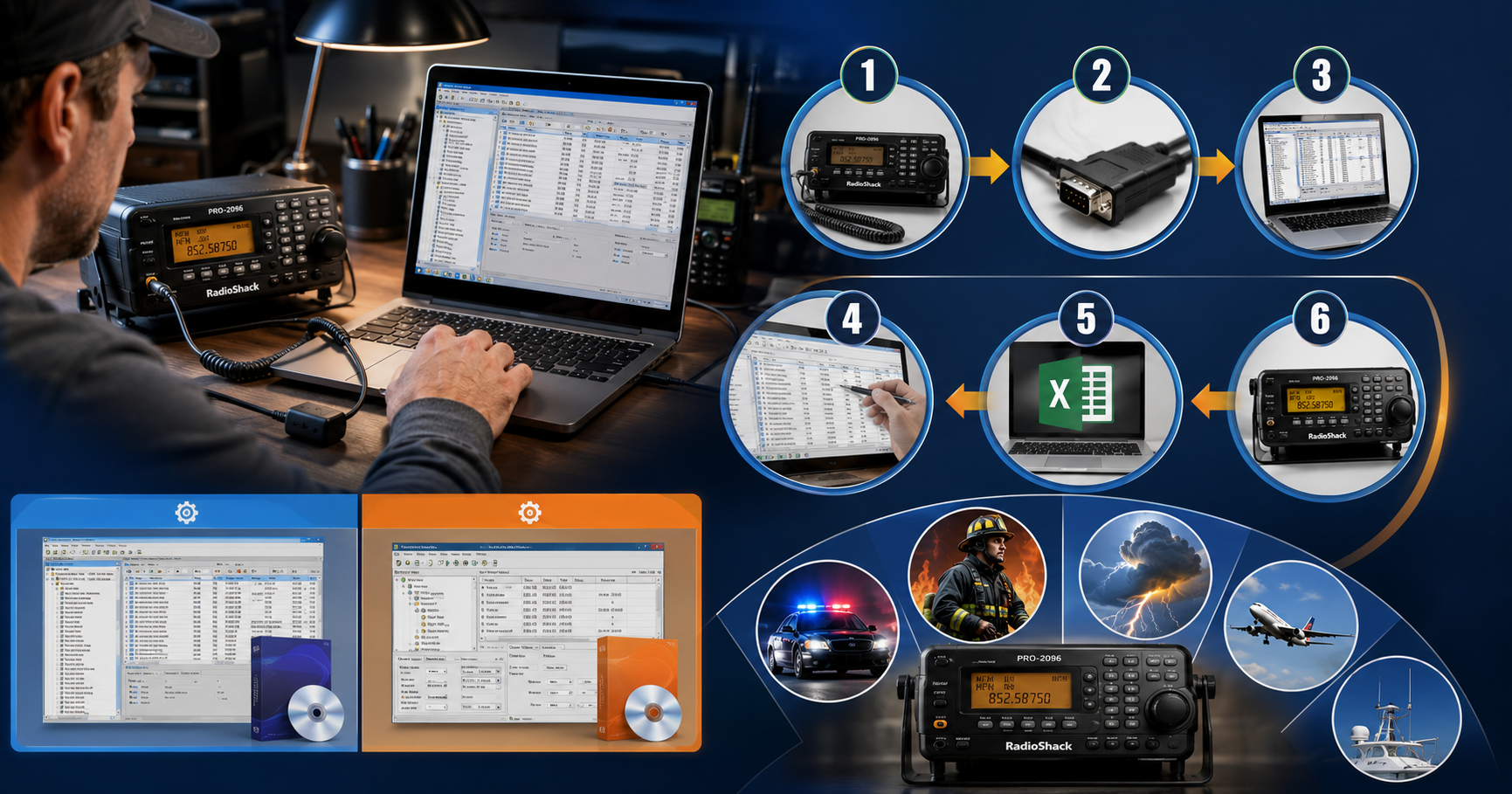
Between the two main options, ARC96 currently has the more reliable reputation for licensing and ongoing support, while Win96 remains a capable program for anyone who already owns a working license. Either way, having dedicated software turns a tedious, error-prone manual process into something you can finish in a few minutes.
Wolf3D Software: The Company Behind Ready Player Me’s 3D Avatars
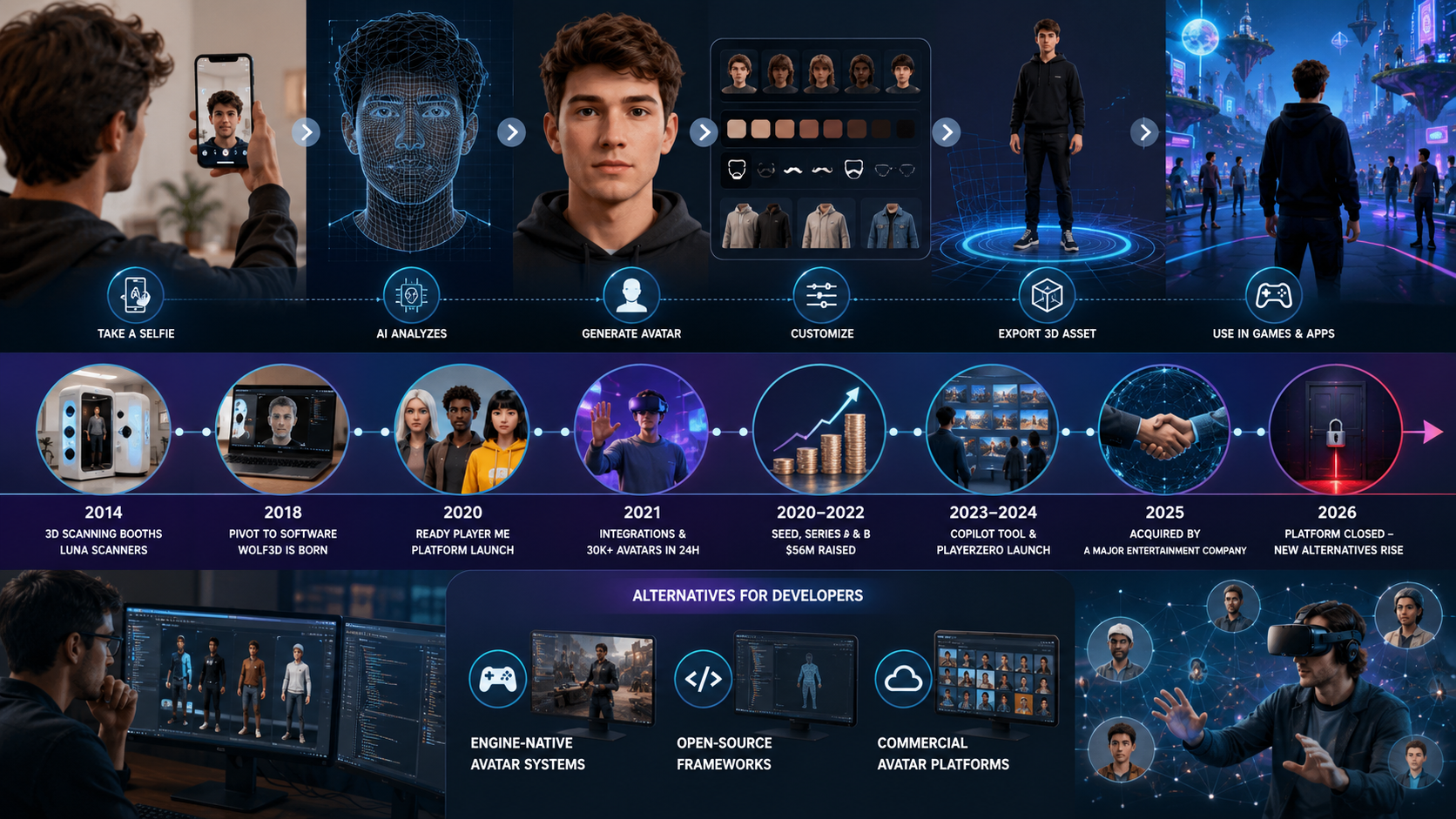
The Wolf3D story is a useful case study for anyone building software in a fast-moving space like the metaverse or 3D avatar tools. A hardware-first idea pivoted into a software product, found real traction by solving a genuine developer pain point, and eventually became valuable enough to attract a major acquisition. It’s also a reminder that platforms you build on top of can shift quickly, so keeping your project’s assets portable and documentation organized is worth the extra effort.

BestOutcome PPM Software Company Overview
BestOutcome has built a long track record in the PPM space, particularly among public sector and healthcare organizations that need rigorous governance and reporting. For organizations already juggling multiple projects and struggling to get a clear, current picture of progress, PM3 is a serious option worth including in any shortlist. For smaller teams running one or two projects, though, a lighter tool is probably the better starting point.
Clay County Board Of County Commissioners Meeting Minutes Software
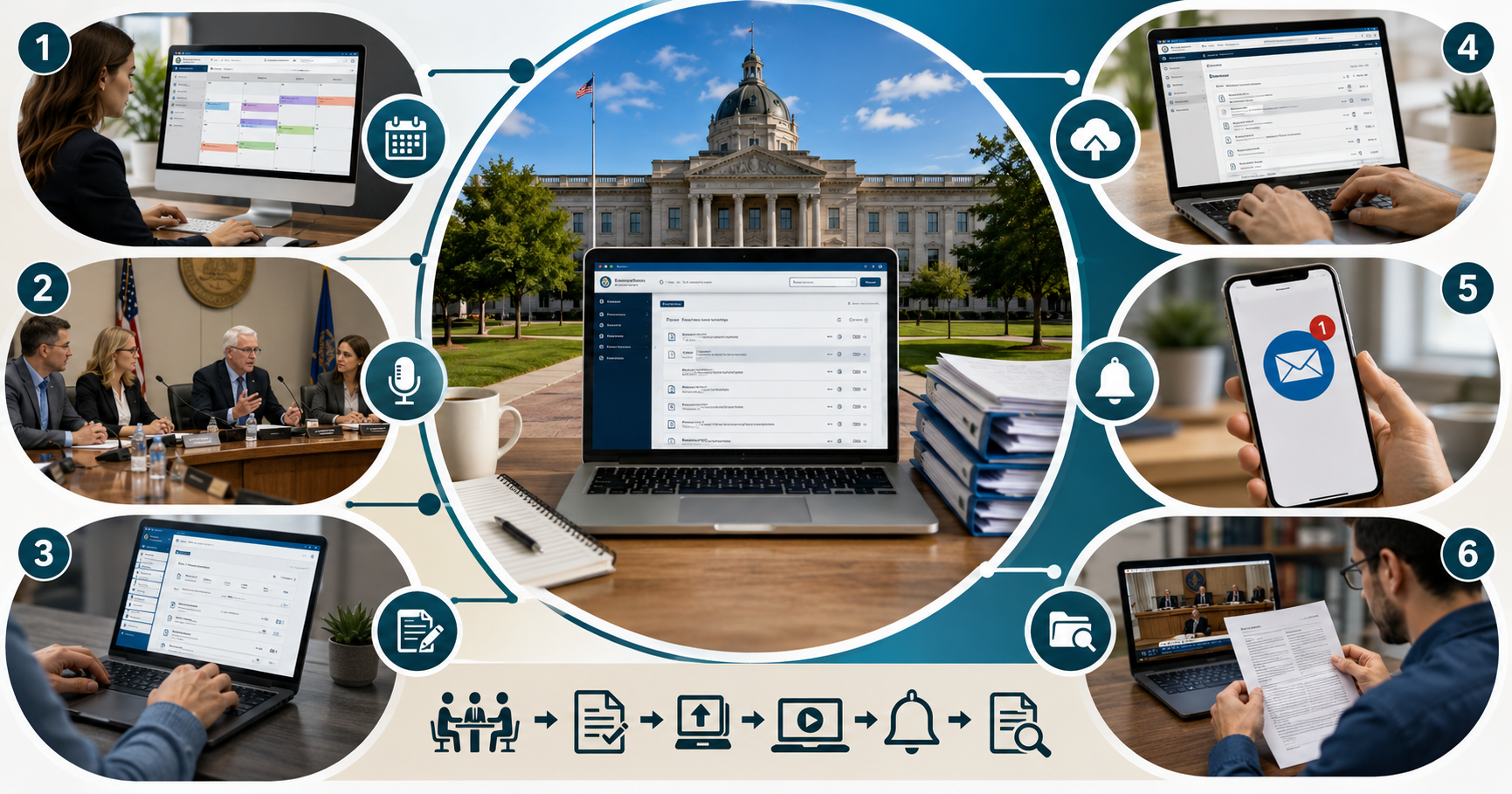
Many of these systems also include public-facing portals where residents can subscribe to email notifications whenever new agendas or minutes are posted, rather than needing to check the county website manually. If you're following a recurring issue, such as a zoning decision or a budget line item, setting up a notification subscription is usually far more reliable than checking back every few weeks.

Rippling HR Software Market Share in 2026: What the Numbers Really Show
Rippling isn't the biggest player in HR software by raw market share, and depending on which report you read, it may rank anywhere from third to well down the list. What's harder to argue with is the growth curve. Revenue crossing a billion dollars, tens of thousands of customers, and a steady stream of new features point to a company that's earned its spot on most shortlists.
GoPerfect Review 2026: AI Hiring Software Explained
Teams comparing per-position pricing against traditional recruiting costs have found the math favors platforms like this one when hiring several roles per year, since the annual cost can come in well below either an agency placement fee or hiring extra in-house recruiters.

Inventory And Accounting Software For Small Business (2026)
Inventory and accounting software for small business is a category of tools that merge two functions historically handled by separate systems: financial record-keeping and stock management. Instead of manually reconciling an inventory spreadsheet against your accounting ledger, the two update together automatically.